Get excited about energetic ways to get amped up right now. Life is a gift, and you want to enjoy special moments of happiness and fun. Sometime, you should let your hair done, and get amped up. Let’s discuss ten ways:

* Music
Music is inspiration, composed, performed, and can be sang. It governs harmony, rhythm, melodies, styles, with vocals or instruments. The creation of music is made based on culture and history. There are many ways to get amped up to listen to your favorite music- jazz, pop, classical, religious, rock, country, and more. Turn on your CD, radio, headphones, iPhone, television, or take a drive in your car and blast your music and enjoy hours of sound!
* Fitness
When you wake up and start your day, you want to become energized and do a workout regiment. If you are a member of a gym, you can enjoy- kickboxing, spinning/aerobics classes, cycling, or stretching. Give your cardiovascular system a boost and amp up the day with a extreme workout!
* Eat a cup of Almonds daily
Eating almonds, which is loaded with nutrients can give you high energy. A cup has 822 calories, but it offers protein- which the body needs. The high fiber content produce a laxative effect for your body. It also allows you to enjoy over an hour of workout madness!
* Ride on an Elephant in Thailand
There is a wonderful place in Thailand called Maetang Elephant Park, where they rescue elephants. The park is zero tolerance of animal abuse or cruelty. You can enjoy feeding the elephants, coaxing them, and getting to know them in their own habitat. When you ride them, it can be therapy. You can ride them through a mud pit, which is soothing. It’s a balance of majestic and a challenge, where you can bond with the elephants.
* Swim with Sharks
Get over your fear and dive into the world of the most amazing sea predator. It’s a challenge, to swim with sharks- but you will become educated, inspired, and get to understand the life of a shark. Of course you will need to be certified and make sure that you have a dive master, to ensure your safety. You can always leave the shark cage, if you or the shark is in jeopardy. You must get amped up to enjoy this momentous opportunity.
* A Day at the Beach
A day at the beach goes beyond swimming. You can swim with dolphins, play Frisbee with family, friends or your pet, walk up and down the boardwalk as you- shop, enjoy tasty food, or enjoy a concert. You can also bring a blanket and a packed lunch or dinner to enjoy a picnic. For fishing enthusiast, you can enjoy relaxing hours sitting on the beach awaiting- your next catch of the day. Also during the day, you can enjoy- water skiing, kite surfing, or a surging. When it get’s dark, you can enjoy a bonfire-where you can gather with family or friends and talk, dance, listen to music, and have a great time.
* Dancing
Dancing is a form to enjoy movement. You can enjoy endless hours of social, ceremonial, erotic, athletic, or competitive dancing. It can be coordinated or done as exercise, with a social partner. It’s a satisfactory experience. It’s a time to enjoy friends, a night out on the town, or just have fun! Dance and rhythm are linked and you can get amped up to enjoy a time- to dance the night away!
* Take a Trip to New York
New York is the greatest city in the world. You can enjoy shopping, the theater, food, attending a basketball game, a museum, dining at a favorite 4-star restaurant, Wall Street, take a walk through Central Park, go up on an elevator at the Empire State Building, or visit Rockefeller Center. You can gaze up at the many sky-scrapping buildings, take a visit to the famous Apollo Theater, or go take a peek at the Statue of Liberty. It’s a paradise of culture to get amped up at!
* Take a Trip to Paris
When you go to Paris, it’s a French experience to embellish in culture. Go to the Eiffel Tower, Louvre, Musse d Orsay, Notre Dame, and the lesser-known jewel- Musse Rodin. You can spend hours shopping at French designer stores, enjoy a cup of latte at a curbside café, or visit a historical museum. As you walk down the cobbled streets, you will feel like you are in another time period. France is a cultural delight!
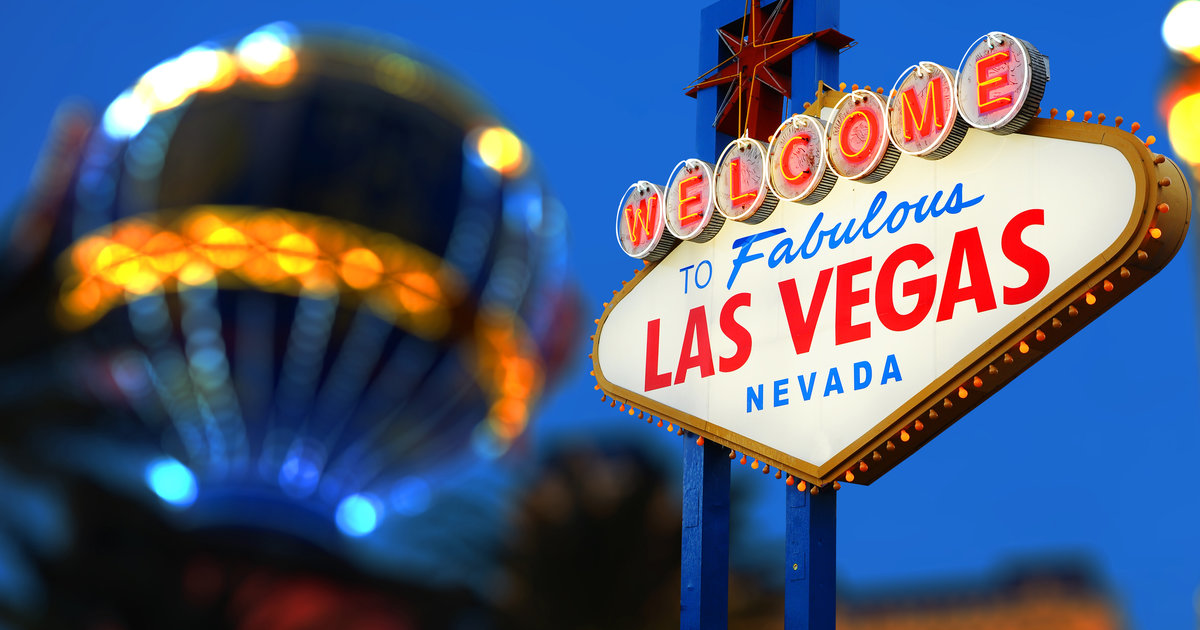
* Take a Trip to Las Vegas
What’s done in Las Vegas, must stay in Vegas. This is one of the most exciting places to visit for the high rollers who gamble, people who like to party, attend a boxing match, sight-see, take in an amazing show, go see the Hoover Dam, go watch the dancing water at the Bellagio, escape the hot temperatures and enjoy some ice cream at Serendipity, dine at a favorite restaurant, shop for souvenir’s enjoy taking snapshots of the Red Rock Canyon, visit a theater, or go to a museum. There something in Las Vegas for everyone!